Agriculture is one of the oldest and most fundamental activities in human history. But in recent years, thanks to technology, agriculture has undergone a major transformation. Many processes that used to rely entirely on manpower and experience are now supported by digital tools and smart systems.
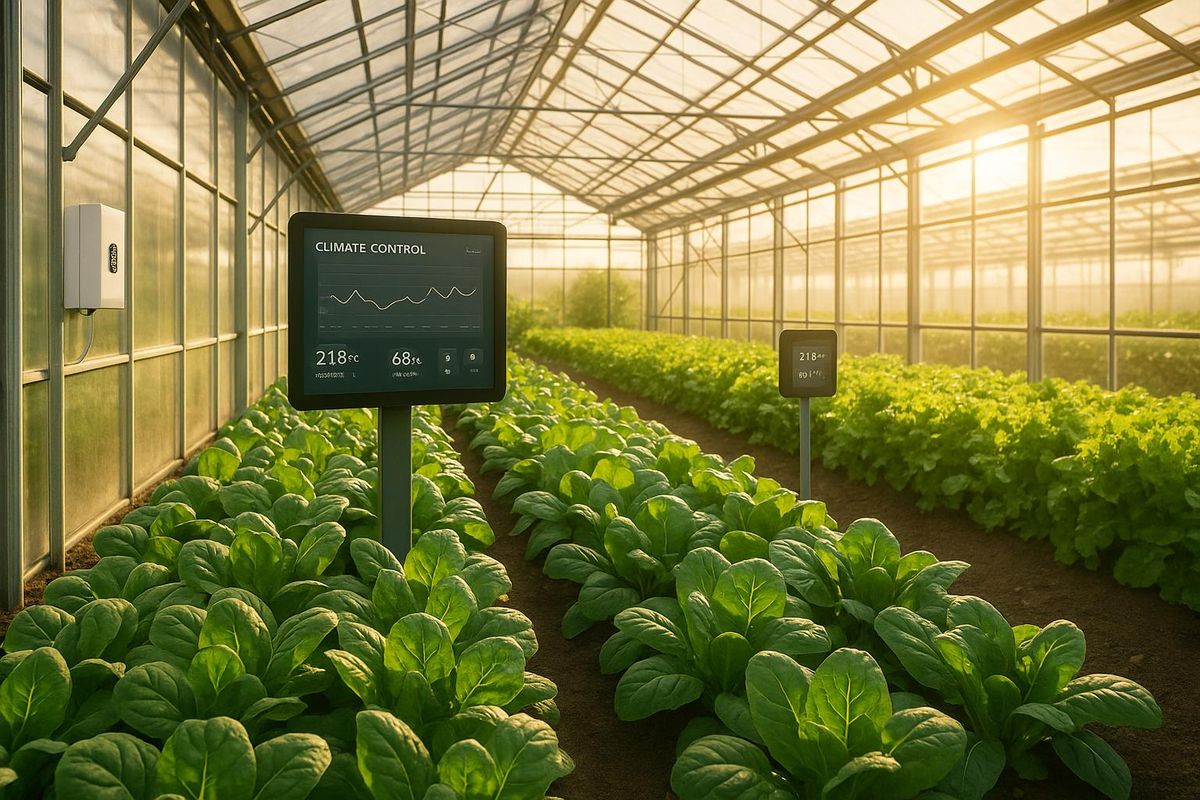
Thanks to smart sensors, for example, farmers can now monitor soil moisture, temperature and nutrient levels in real time. With this data, it is clearer to understand exactly what the plants need. This reduces unnecessary water use and increases crop yields.
Drone technology is also increasingly being used in agriculture. Drones can scan large areas of land in a short time and detect diseases or development problems in plants at an early stage. This allows farmers to intervene more quickly.
In addition, artificial intelligence-supported systems also play an important role in the future of agriculture. By evaluating weather data, soil analysis and past production results, artificial intelligence can offer farmers suggestions on more accurate planting and harvesting times. This reduces risks and makes production planning more efficient.
The opportunities provided by technology to agriculture not only increase production, but also make significant contributions to sustainable agriculture. Less water use, more accurate fertilization and more efficient use of resources also have positive consequences for the environment.
Of course, technology alone cannot solve all problems. Experience, knowledge and the relationship with nature are still very important in agriculture. But when used correctly, technology can be a powerful tool to make farmers’ work easier.
It seems that the relationship between agriculture and technology will grow even stronger in the coming years. This combination has great potential both to increase food production and to create the sustainable agricultural model of the future.