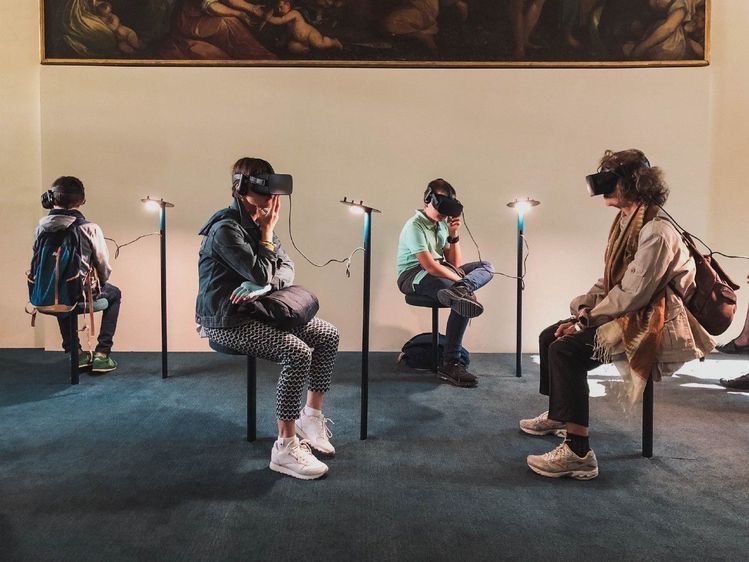
Digital transformation has become one of the most important developments that directly affect not only the business world but also education systems. Today, the use of technology in education is reshaping many areas, from the way students learn to the way teachers teach. Smart boards, online education platforms, artificial intelligence-supported learning tools and digital content are among the indispensable parts of modern education.
Technology-supported education makes classical learning more flexible, accessible and personalized. While in the past it was necessary to depend on certain sources to access information, today students can access information anywhere in the world in a short time thanks to digital platforms. However, what is important at this point is not only to access information, but also to analyze, interpret and apply the information correctly.
Why Digital Education Matters
Digital education allows students to progress at their own pace. A student can re-watch a topic that he or she has difficulty understanding, benefit from additional resources and realize his or her personal shortcomings more easily. This contributes to strengthening the individual learning process.
At the same time, online education makes education more accessible by eliminating geographical boundaries. Students in different cities or countries can access quality educational content through digital media. This offers an important advantage in terms of equal opportunity in education.
Artificial Intelligence and the New Era in Education
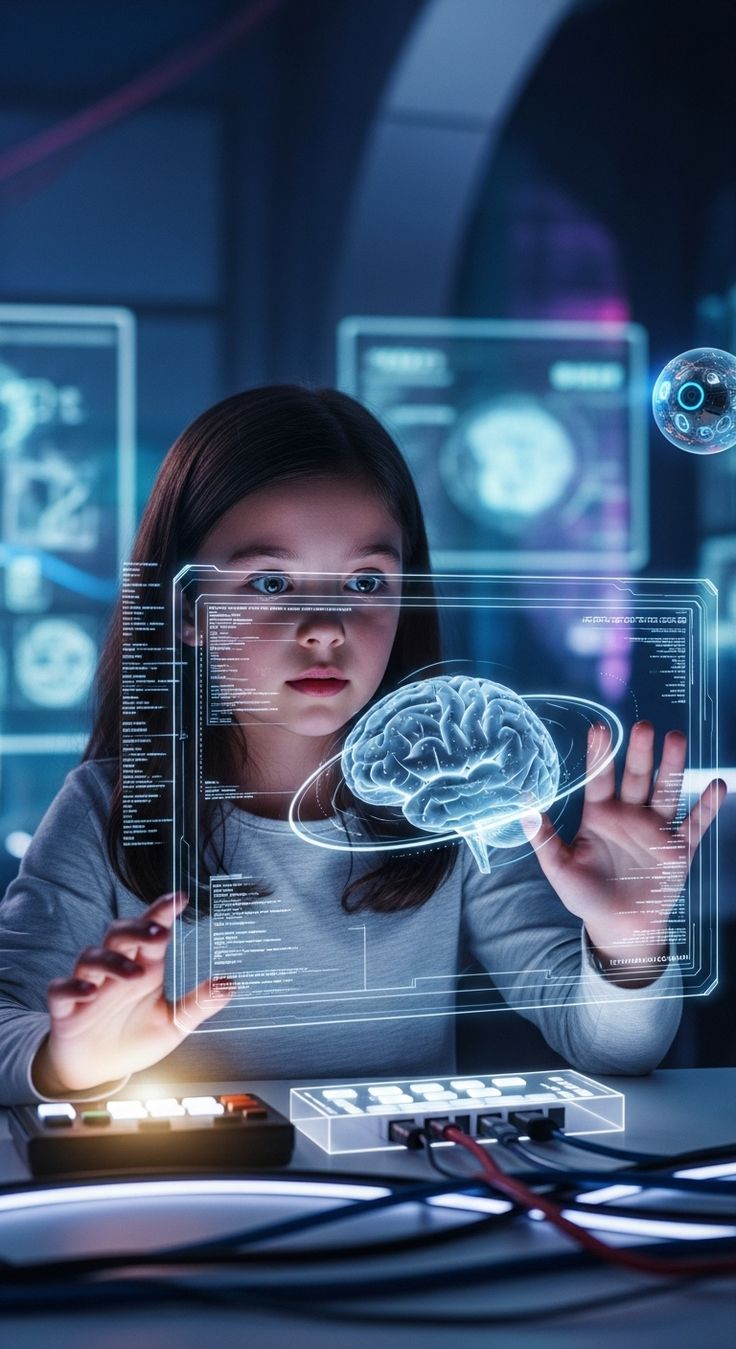
In recent years, AI-powered educational tools have been increasingly used in learning processes. Artificial intelligence can analyze which subjects students struggle with, create personalized study plans and track learning performance. In this way, education becomes more personalized and efficient, rather than a standardized process that proceeds in the same way for everyone.
From a teacher’s perspective, artificial intelligence and educational technologies provide important conveniences. Monitoring student progress, diversifying course materials, and conducting measurement and evaluation processes more systematically become more effective thanks to technology. However, it should be noted that technology should not replace the teacher, but should be used as a powerful tool to support the teacher.
What should the education system of the future look like?
The education system of the future should have a structure that raises individuals who think, question, produce and have digital skills, not just transfer knowledge. Because it is not enough to have only knowledge to be successful in the world of the future. Skills such as critical thinking, problem solving, digital literacy, creativity and adaptability to change are becoming increasingly important.
For this reason, educational technologies should be considered not only as a technical innovation but also as a strategic development area. The conscious use of technology by schools, universities and educational institutions contributes to the better preparation of students for the future.
Conclusion
In conclusion, technology and education are two fundamental areas that should no longer be considered separately. When used correctly, technology facilitates learning, increases access to information, supports the development of students and increases efficiency in education. However, for this transformation to be successful, technology should be handled together with a human-oriented education approach.
Societies that want to catch up with the future should raise generations that not only consume technology but also understand it, develop it and produce value with education. This is because real progress is only possible when digital transformation, the use of technology in education and a human-centered learning approach come together.