Education should not be merely a system that responds to today’s needs. It must also be a robust framework that can anticipate the future, understand change, and prepare individuals for various aspects of life. Because the world is changing much more rapidly now. Professions are evolving, the ways we access information are changing, and the impact of technology is felt more and more every day. In such a period, it is not enough to evaluate education solely through the lens of classrooms, courses, exams, and diplomas.
Today’s youth need not only academic success but also critical thinking skills, strong communication skills, problem-solving abilities, and the capacity to express themselves effectively.
The education a student receives should not merely equip them with a profession; it should also guide them toward becoming a more conscious, productive, and responsible individual in life. Because true success is not merely about possessing a piece of paper, but gains meaning through how that knowledge is applied to life.
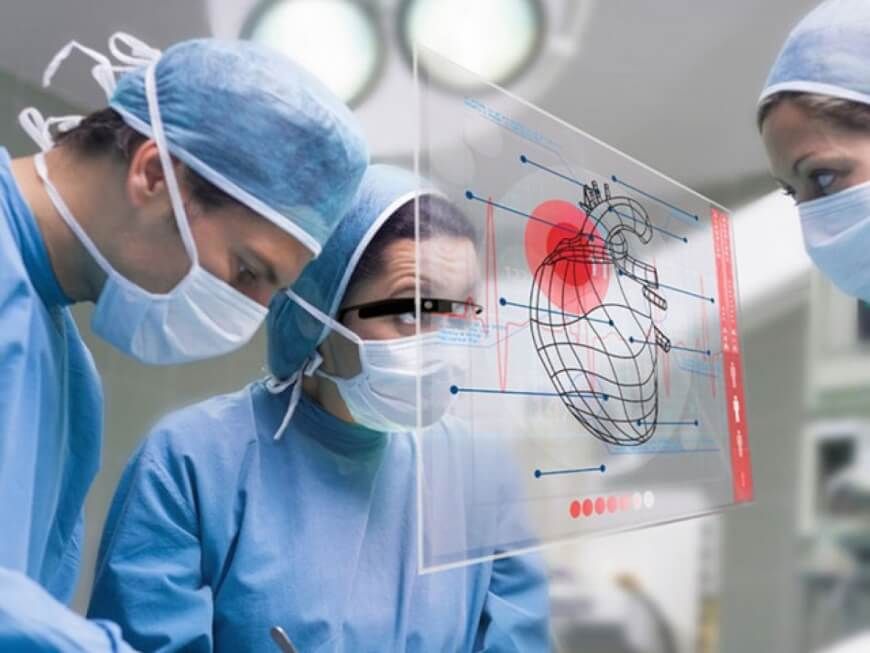
One of the most important aspects of education systems is the ability to identify students’ talents at an early stage. Every student has a different learning style, area of interest, and strengths. Without recognizing these differences and evaluating everyone by the same standards, we limit the potential of both the individual and society in the long run. Proper guidance, however, enables young people to understand themselves. A young person who understands themselves sets their goals more consciously, uses their time more efficiently, and prepares for the future more effectively. At this point, significant responsibilities fall on families, teachers, administrators, and institutions. Education is not solely the burden of schools. All segments of society must contribute to this process. An approach that clears the way for young people, instills confidence in them, and empowers them to be productive helps build a future on stronger foundations. Technology is now an undeniable reality in education. From artificial intelligence to digital learning platforms, and from online resources to data-driven educational models, numerous innovations are transforming learning processes. However, the key is not to make technology an end in itself, but to use it as the right tool. When a human-centered approach to education is combined with technology, students not only gain easier access to knowledge but also experience a more efficient learning process. The educational philosophy of the future must cultivate individuals who think rather than merely memorize, who create rather than just follow, and who care not only about their own success but also about the development of society. The path to this lies in an educational approach that is equitable, inclusive, innovative, and human-centered. Every right step taken today helps build stronger individuals and a more productive society for tomorrow. For this reason, education is not merely a matter for the present; it is one of the most valuable legacies we can leave for the future.