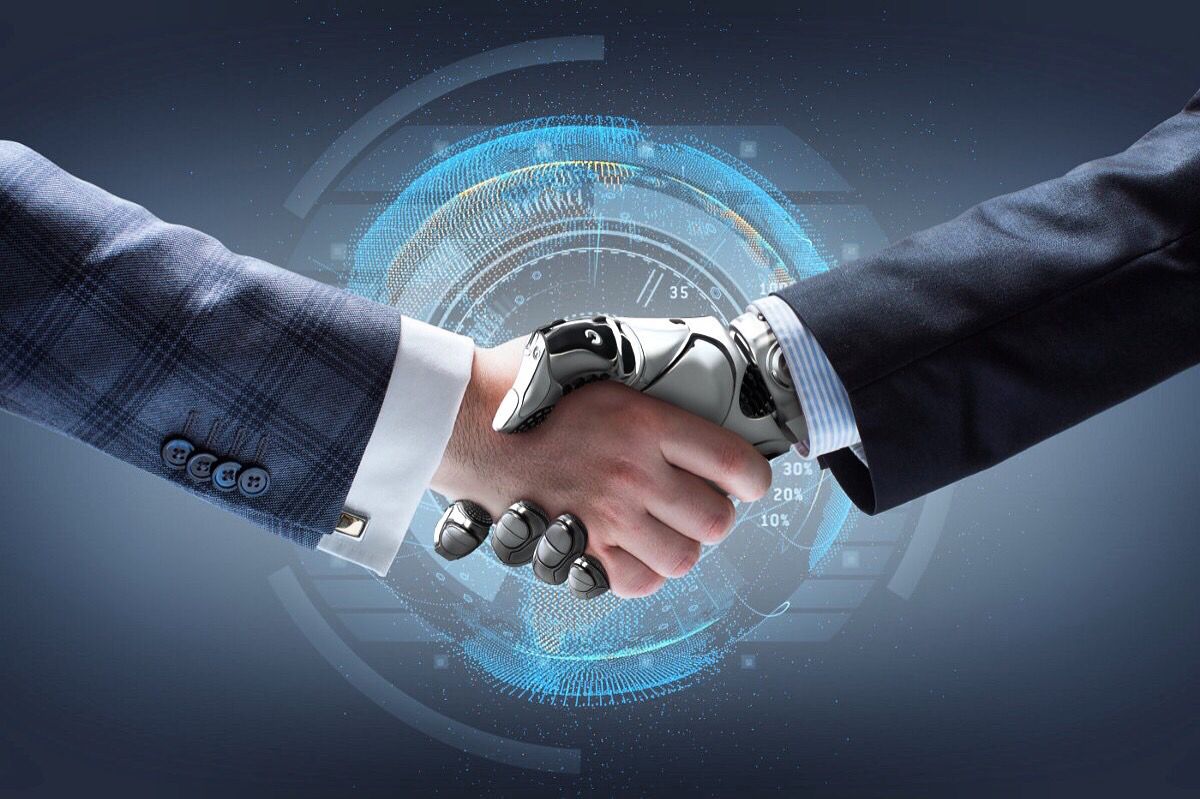
The more robots enter our lives, the more often the same question is asked: “Will they take our jobs?” This concern is very normal. Because robots are no longer just machines that work like arms in a factory; they can perceive the environment with sensors, be guided by software and act more flexibly with artificial intelligence. Yet, most of the time, it is not about “eliminating work completely”; it is about changing how work is done and what is expected of us.
In fact, what we call “work” is not a single piece. The work we do in a day consists of repetitive tasks, small decisions, human interaction, monitoring, control and dealing with the unexpected. Robots take on the most repetitive and standardized part: handling, packing, counting, simple assembly, some quality checks, working in risky environments. As these tasks become automated, the role of the human gradually shifts from “doing” to “managing, controlling, improving”.
So in many places, when robots arrive, the work is not completely done; some parts of the work are handed over to robots and some parts become more visible. For example, robots can carry products in the warehouse, but planning the work, making the right decision when the system fails, maintaining quality, and managing customer expectations still require human intelligence and responsibility. In fact, as robots increase, new needs arise: teams monitoring robots, maintenance and repair, better processes, looking at data and improving the business, security controls, etc.
The critical point for organizations is this: To see robots only as a way to “reduce costs” is to read the picture incompletely. When set up correctly, robots reduce work accidents, make quality more consistent, speed up delivery and move workers to more valuable tasks. When installed incorrectly, the opposite happens: processes get confused, malfunctions lock the work, and the system we think of as “unmanned” becomes more fragile.
Therefore, it is healthier to update the question as follows: “Where will people be empowered in this transformation?” Instead of seeing robots as competitors, it is necessary to position them as a tool that carries people to more qualified work. Those who will stand out in the future will not be those who buy robots, but those who design better work with robots and keep humans at the center of this design.