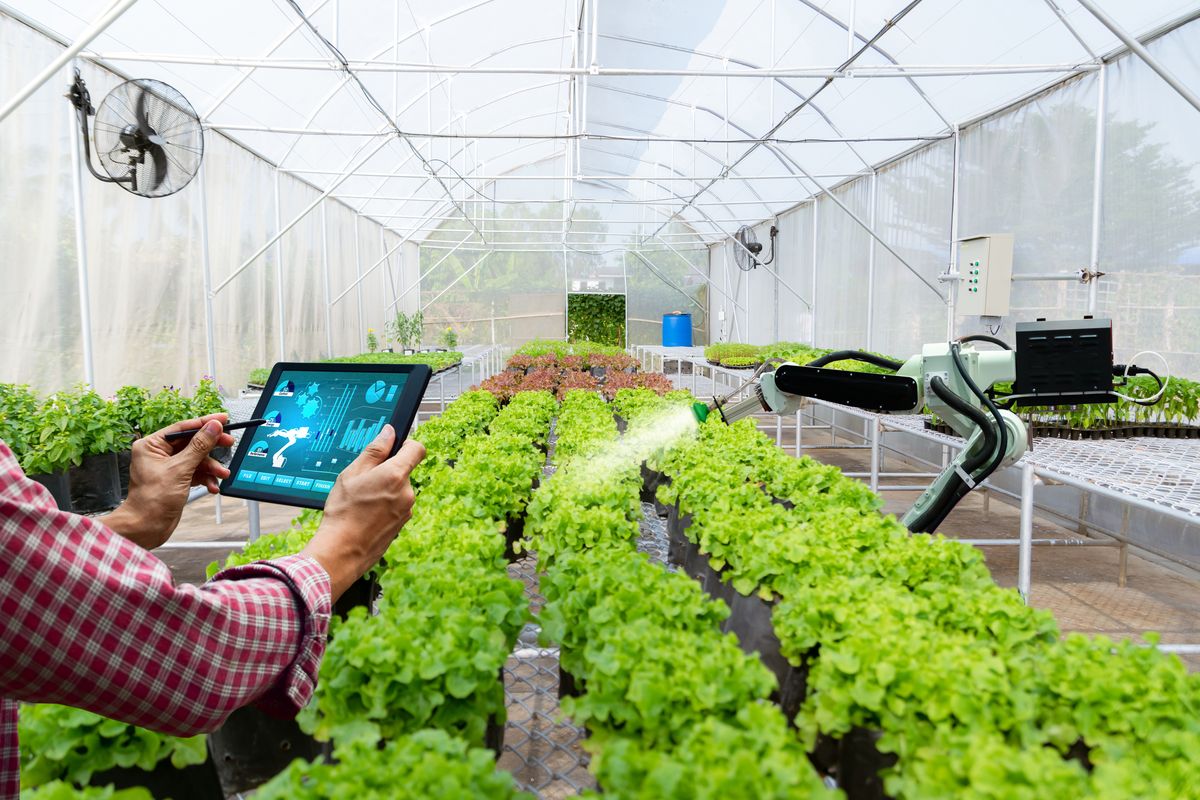
Natural agriculture is not only about reducing the use of chemical inputs; it is a sustainable production approach that protects the vitality of the soil, water resources and biodiversity together. While this approach was based on “experience and observation” for many years, today it is evolving into a more measurable, traceable and plannable structure with digital technologies. Digitalization does not detach natural agriculture from its nature; on the contrary, it makes it possible to better understand natural processes and make the right intervention at the right time.
Field sensors are one of the most fundamental tools of this transformation. Thanks to sensors that measure values such as soil moisture, pH, temperature and salinity, farmers can monitor plant needs based on data rather than guesswork. When this data is integrated into smart irrigation systems, unnecessary irrigation is reduced, saving water and preventing plant stress. Especially in times of increased risk of drought, such systems become a critical support that strengthens the continuity of natural agriculture.
Satellite imagery and drones turn the field into a “remotely manageable” ecosystem. By mapping indicators such as vegetation density, leaf health and growth differences, problematic areas can be identified early on. Thus, instead of applying the same treatment to the entire field, it is possible to proceed with minimal intervention only in the area in need. This is in line with the principle of protecting the ecosystem, which is the main goal of natural agriculture.
AI-powered decision support systems are also increasingly visible. By combining climate data, historical yield records, soil analysis and disease models, more accurate timings for planting, maintenance and harvesting can be recommended. Suggestions such as warning of frost risk in case of sudden temperature drops, the possibility of fungal disease in case of excessive humidity, or postponing irrigation based on rainfall, for example, both reduce costs and reduce chemical dependency. For natural agriculture, this means “more impact with less input”.
Another important contribution of digitalization is traceability. It is possible to record the conditions under which the product was grown, which practices were carried out and when, and which analyzes it underwent. This increases consumer confidence and enables producers to manage their processes transparently. In addition, creating common data infrastructures for cooperatives and small producers accelerates collective learning: Producers in the same region can recognize risks earlier and develop solutions together.
As a result, digitalization in natural agriculture enables us to read the soil better, use resources more efficiently and strengthen sustainability with concrete data. The agriculture of the future is not based on “consuming more” with technology, but on producing smarter with less damage.