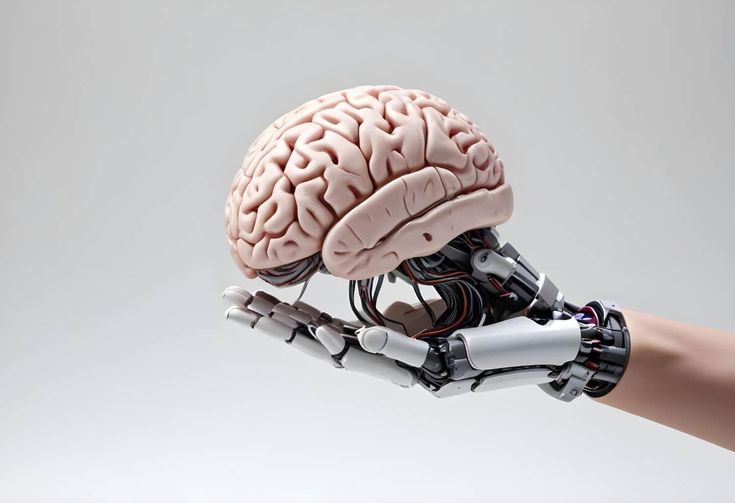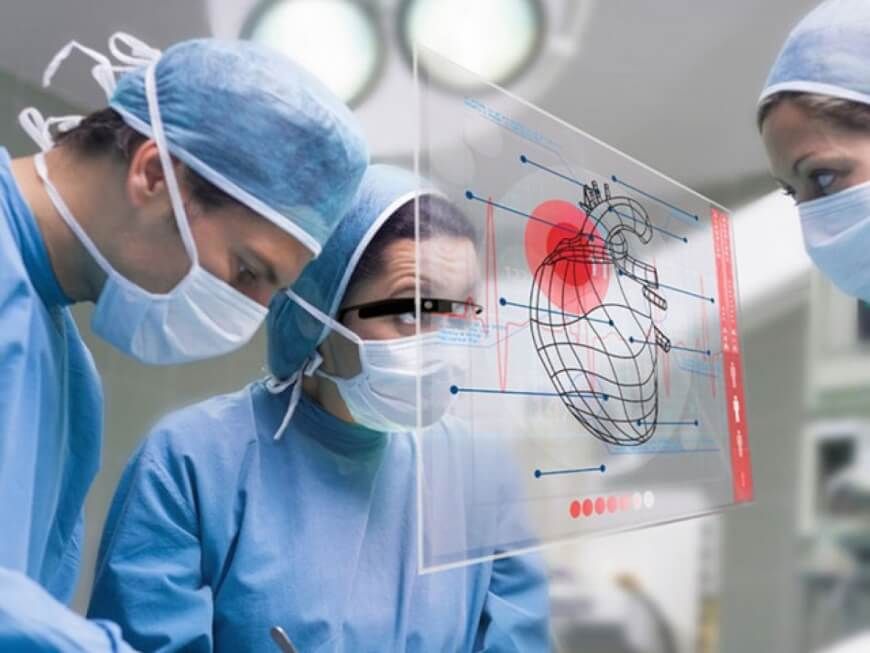
Health technologies have not only become digitalized in recent years; they have also evolved into a new structure shaped according to the needs of the individual. At the center of this transformation is the concept of “digital clinic”. While digital clinics make healthcare services independent of time and space, they also make personalized care a key element of the system.
The traditional healthcare model was mostly based on uniform assessments and standardized protocols. Today, thanks to artificial intelligence, big data analytics and wearable technologies, each individual’s health profile can be handled individually. Sleep patterns, daily activity, stress levels, dietary habits and past health data can be brought together to make more accurate interpretations. This is where digital clinics come into play: they offer a health ecosystem that makes sense of data, constantly monitors it and generates early warnings when necessary.
One of the most important gains of this approach is the strengthening of preventive health services. Instead of intervening after the disease occurs, it becomes possible to identify risks in advance. Especially in chronic disease management, digital clinics increase treatment adherence by ensuring continuous communication between patients and healthcare professionals. Remote monitoring systems reduce unnecessary hospital visits and enable more efficient use of health resources.
Of course, this transformation is not limited to technology. Issues such as data security, ethical use and patient privacy are critical to the sustainability of digital clinics. As personalization increases, how data is collected, stored and shared must be handled in a more transparent and secure framework.
In conclusion, the era of the “digital clinic” offers a new paradigm that makes health more accessible, more continuous and more person-centered. When supported by the right technology, the right governance and a human-centered perspective, this model is poised to play a decisive role in the future of health systems.